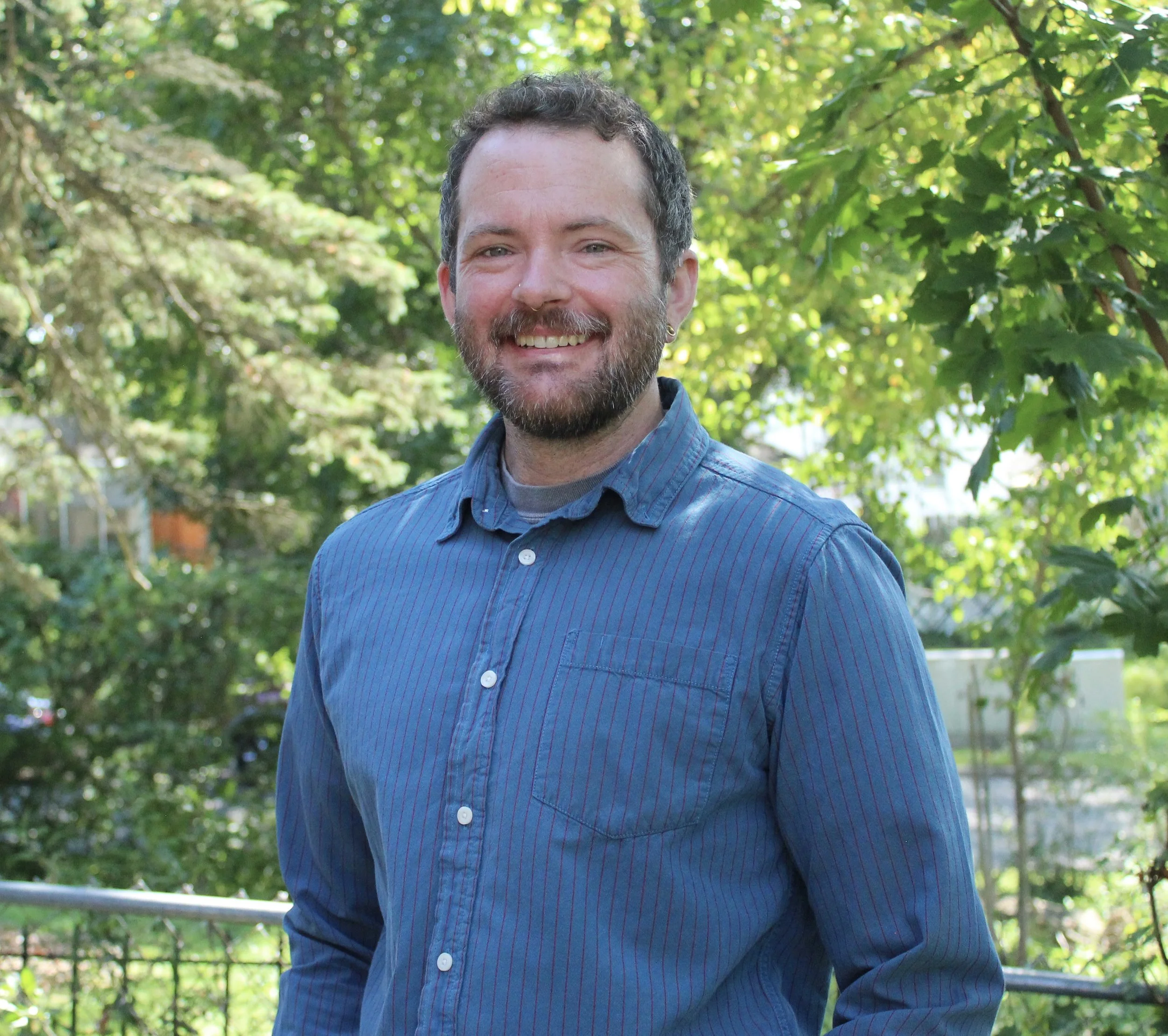
EGSA recently interviewed one of our graduate students, Liam Whiteman, from the Dr. Strange Lab, who was recently selected as a Science Policy Fellow with the Entomological Society of America!
Congratulations to Liam on this exciting achievement! We enjoyed learning more about his research, his fellowship, and his future career goals. Check out our interview to learn more about his journey!
About Liam and His Research
Could you briefly introduce yourself?
I am a third year PhD candidate in the Strange Bumble Bee Health and Genetics Lab within the Department of Entomology. I am also working towards an Environmental Assessment Graduate Certificate.
Could you tell us a little more about your research and what you're hoping to accomplish through your work?
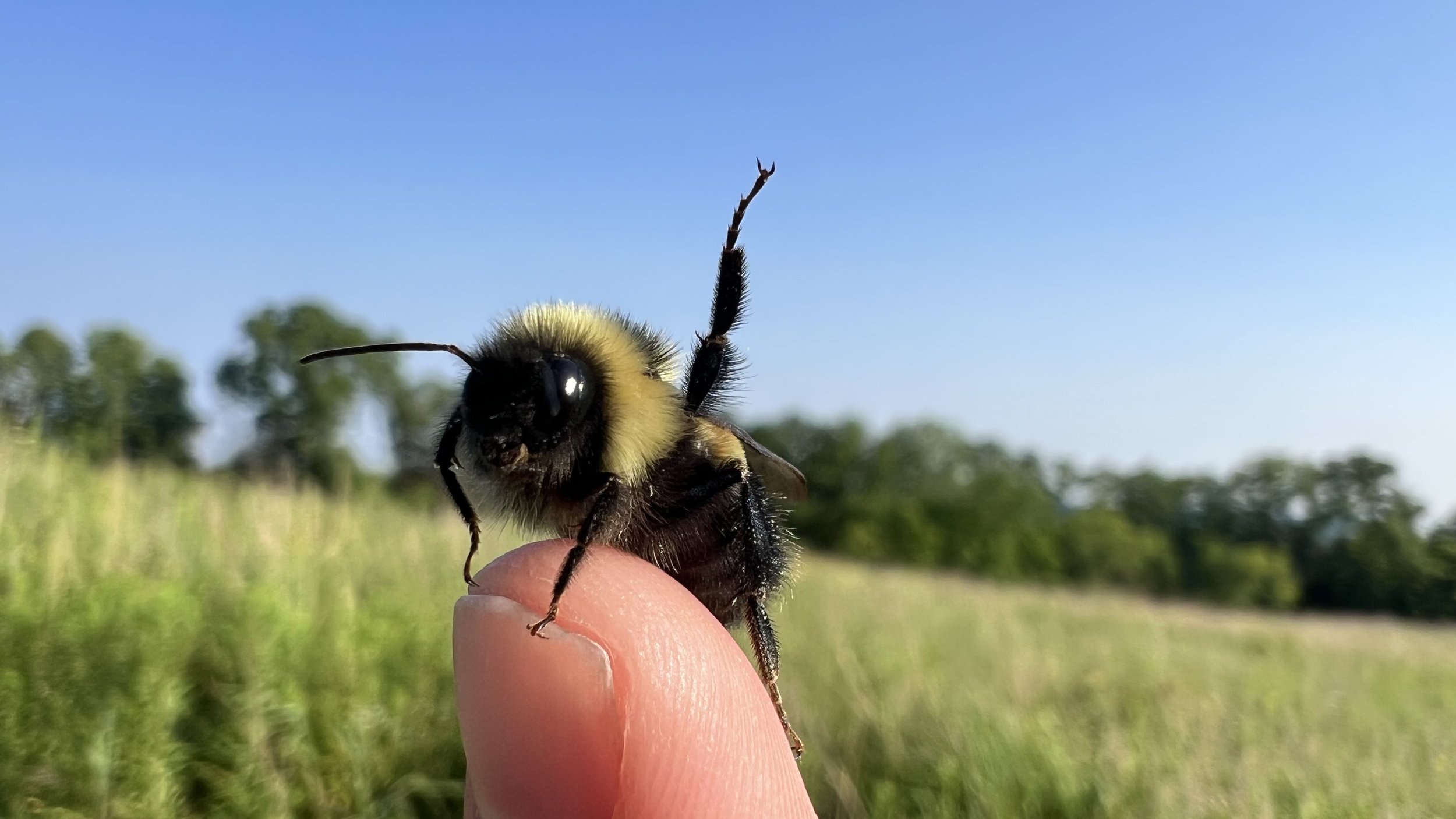
My research focuses on how different environmental conditions affect bumble bee health and what we can do to improve health outcomes for captively-reared bumble bee species. This work integrates ecology, pathology, and animal husbandry to explore bumble bee health holistically.
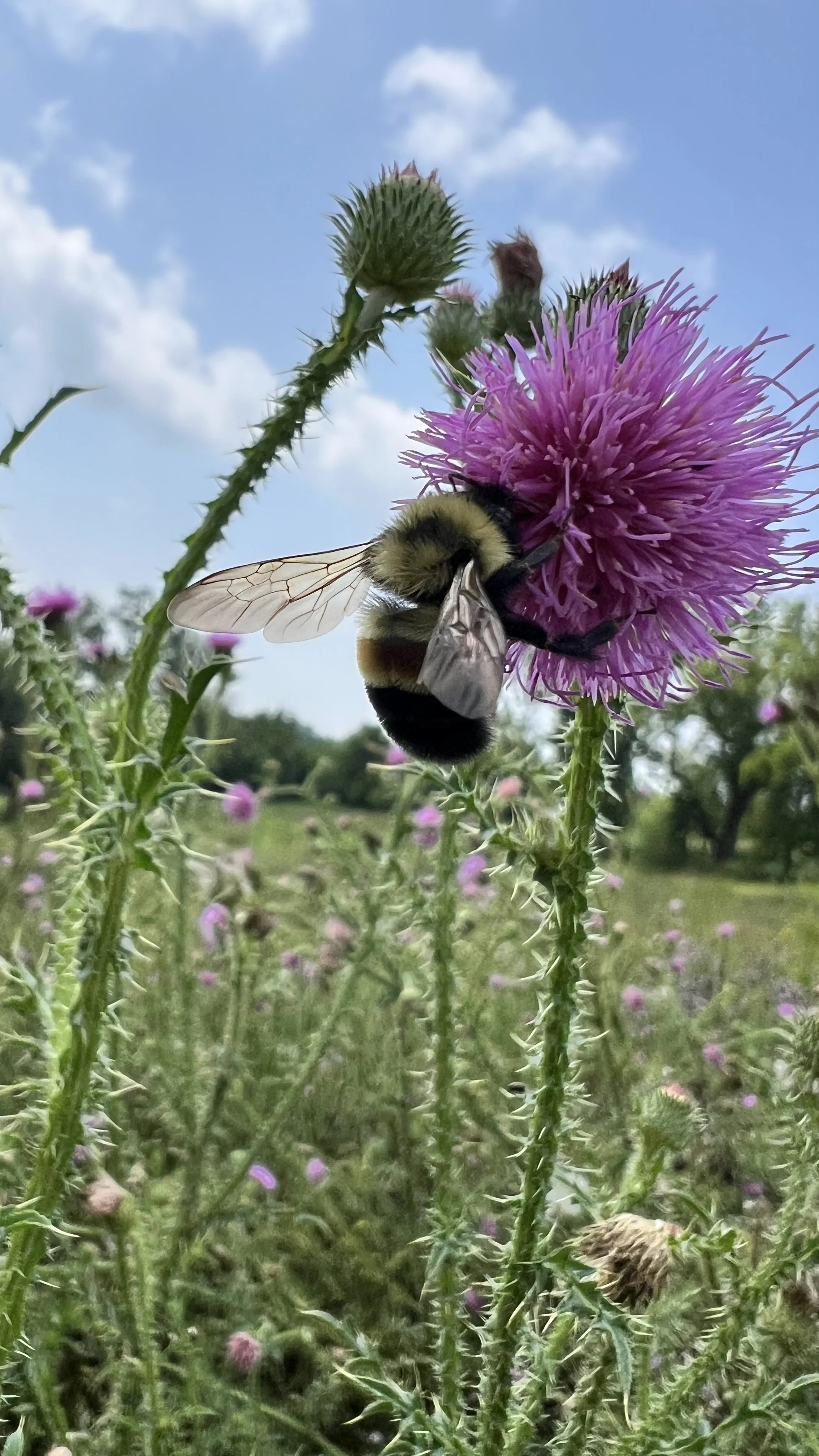
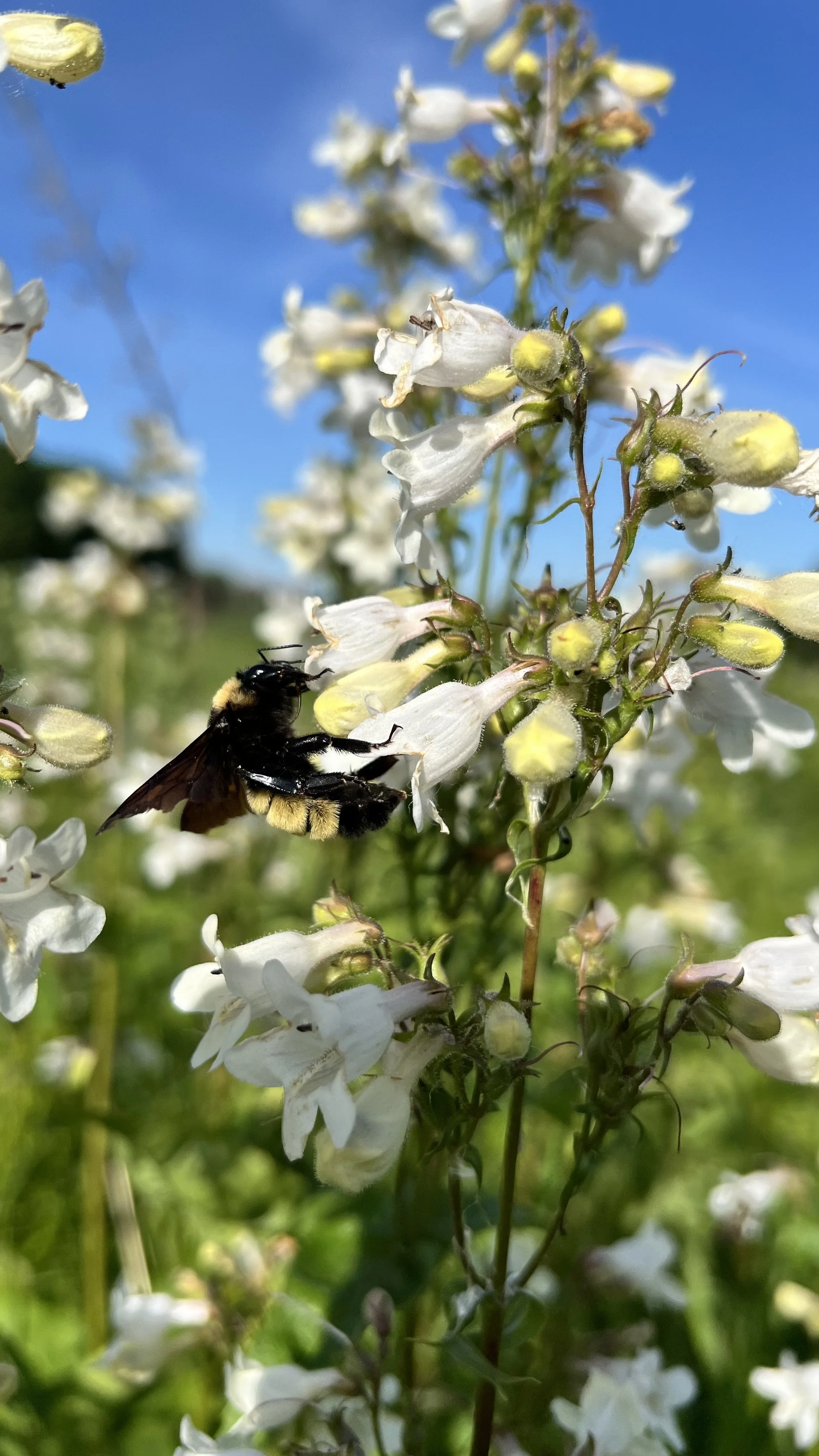
In my research, I work with private, federal, and state land managers to explore whether bumble bee pathogen prevalence is linked to urbanization, agriculture, or other forms of land use. I have worked in public and private lands to sample bumble bees, floral resources, and their pathogen profiles to gain insight into what potentially increases or decreases bumble bee pathogen prevalence. Secondly, I am developing best practices for reducing disease risk in threatened and endangered lab-reared bumble bees.
Your research is fascinating! What initially sparked your interest in this area?
My pursuit of this research stems from a lifelong love of wildlife and the natural world. I have always enjoyed being outdoors and chasing critters, so I knew I wanted to pursue a career that was both rewarding and meaningful. Wildlife and habitat conservation are incredibly important to me, and this work allows me to turn that passion into action by contributing meaningful research that can help protect the natural world. Bumble bees are charismatic, intelligent, and a critical component in our food supply. What’s not to love?!
It's great to see your enthusiasm for bumble bees, wildlife, and habitat conservation! Have you been involved in any outreach activities or collaborations related to your research? We'd love to hear more about your experiences!
Yes! During my time as a PhD student, I participated in the Insect Night Walk, COSI Big Science Celebration, We Grow Scientists, and the Farm Science Review all because of how involved EGSA and the Entomology Department is within our college. They provide great opportunities to engage and communicate science with other students and with the public.
Looking ahead, how do you hope to build on your research and outreach experiences in your future work? Are there any new directions or opportunities you'd like to explore?
I hope to continue working in conservation to further develop my skills and experience assessing how development and agricultural practices impact pollinator populations and their habitats. I am also interested in exploring policies and conservation strategies that support both pollinator and human health outcomes.
About the ESA Science Policy Fellowship, Entomological Science of America
For readers who may not be familiar with the program, could you briefly explain what the ESA Science Policy Fellowship is and what it aims to accomplish? What kinds of activities and experiences can fellows expect during the two-year program?
The Science Policy Fellows program is a two-year professional development experience through the Entomological Society of America (ESA) that equips entomologists with the skills needed to successfully advocate for the discipline. Through hands‑on training and direct engagement with policymakers, Fellows learn how to move research beyond academia and into action—shaping decisions that affect science, society, and the future. The Fellows participate in active training for two years and then, as Alumni, serve as core members of ESA's advocacy team, representing the science in their legislative districts.
That's a great opportunity! What inspired you to apply for the fellowship? Was there a particular experience or interest that drew you to science policy and advocacy?
I was motivated to apply for the fellowship because I strongly believe we already have much of the scientific knowledge needed to make meaningful changes in how we manage our natural resources and better protect wildlife, particularly pollinators. However, there is still a significant gap between what we know scientifically and how that knowledge is translated into policy and land management practices. I am interested in learning how science policy and advocacy can help bridge that gap. We need stronger policies and guidance to help both private and public land managers reduce human-mediated disturbances, incorporate more effective ecosystem restoration practices, and protect critical habitat. Issues such as pesticide use, habitat loss, and development that occurs without sufficient habitat protections continue to threaten pollinator populations.
I see this fellowship as an opportunity to better understand how research can inform policy, how scientists can contribute to the decision-making process, and how advocacy can help translate scientific evidence into meaningful action. I want to be part of creating solutions that support healthy ecosystems.
That's a really meaningful goal! What do you hope to learn or accomplish through the fellowship? How do you envision connecting your scientific background with science policy and advocacy?
Through this fellowship, I hope to strengthen my science communication and networking skills while gaining a better understanding of how science informs policy and advocacy. I want to learn more about how policies are developed, influenced, implemented, and enforced, and how scientists can play a more active role in those processes. I also look forward to connecting with fellow entomologists to discuss important issues facing the field, share perspectives, and identify opportunities for collaboration. Ultimately, I hope to learn how to better translate my scientific background and research into effective communication and policy recommendations that can lead to meaningful conservation outcomes.
That's exciting to hear! On a related note, could you share a little about your experience applying for the fellowship? What do you think helped strengthen your application, and what advice would you give to other students or early-career entomologists interested in applying?
I think persistence played a big role in my application process. I applied for the fellowship several times before being accepted, and each time I looked for ways to improve my application. I actively sought feedback from a wide range of people and used their perspectives to strengthen how I communicated my interests, experiences, and goals. I also think having a foundational understanding of how science policy is developed and how scientific research can inform decision-making helped me articulate why I wanted to participate in the fellowship. My biggest advice to other students and early-career entomologists is to be persistent and not get discouraged if you aren't selected the first time. Seek feedback from people with different backgrounds and experiences, be open to constructive criticism, and continue refining your application. Most importantly, clearly communicate your “why” and what you hope to gain from the experience.
Thank you so much, Liam, for taking the time to speak with us and share your fascinating research and ESA Science Policy Fellowship!
We’re excited to see how you continue to grow in your career and use your scientific knowledge to contribute to science policy and advocacy. We wish you all the best in this exciting journey!
For more information about the ESA Science Policy Fellowship, check out the link below:
Follow us on Instagram and stay connected!
Interviewer/Editor: Dahee Ahn