Interview #2: Afsoon Sabet
Afsoon Sabet
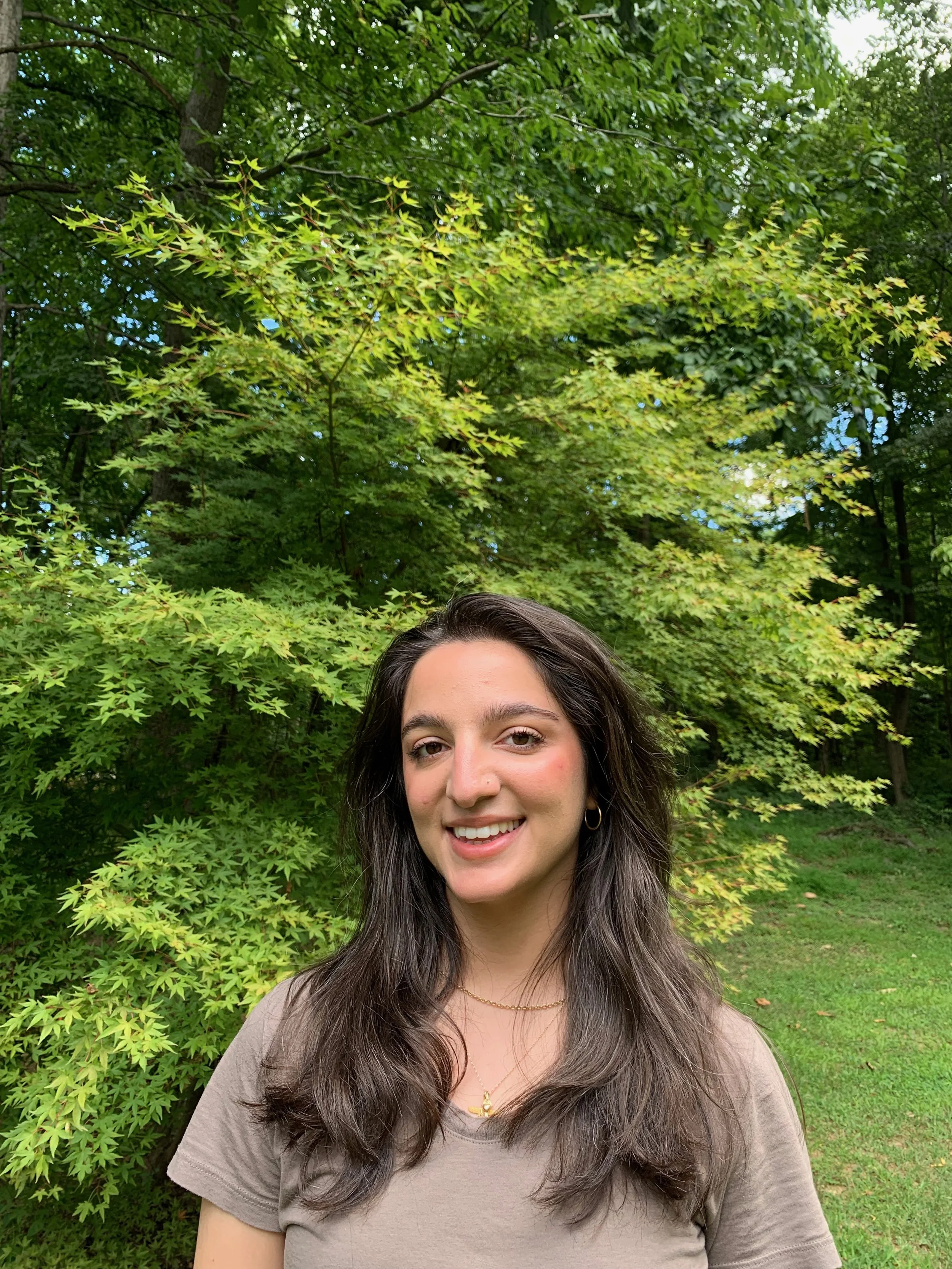
EGSA recently interviewed one of our graduate students, Afsoon Sabet, who has just earned her doctorate from the Department of Entomology at The Ohio State University.
Please join us in congratulating Afsoon on becoming Dr. Sabet!
Could you briefly introduce yourself?
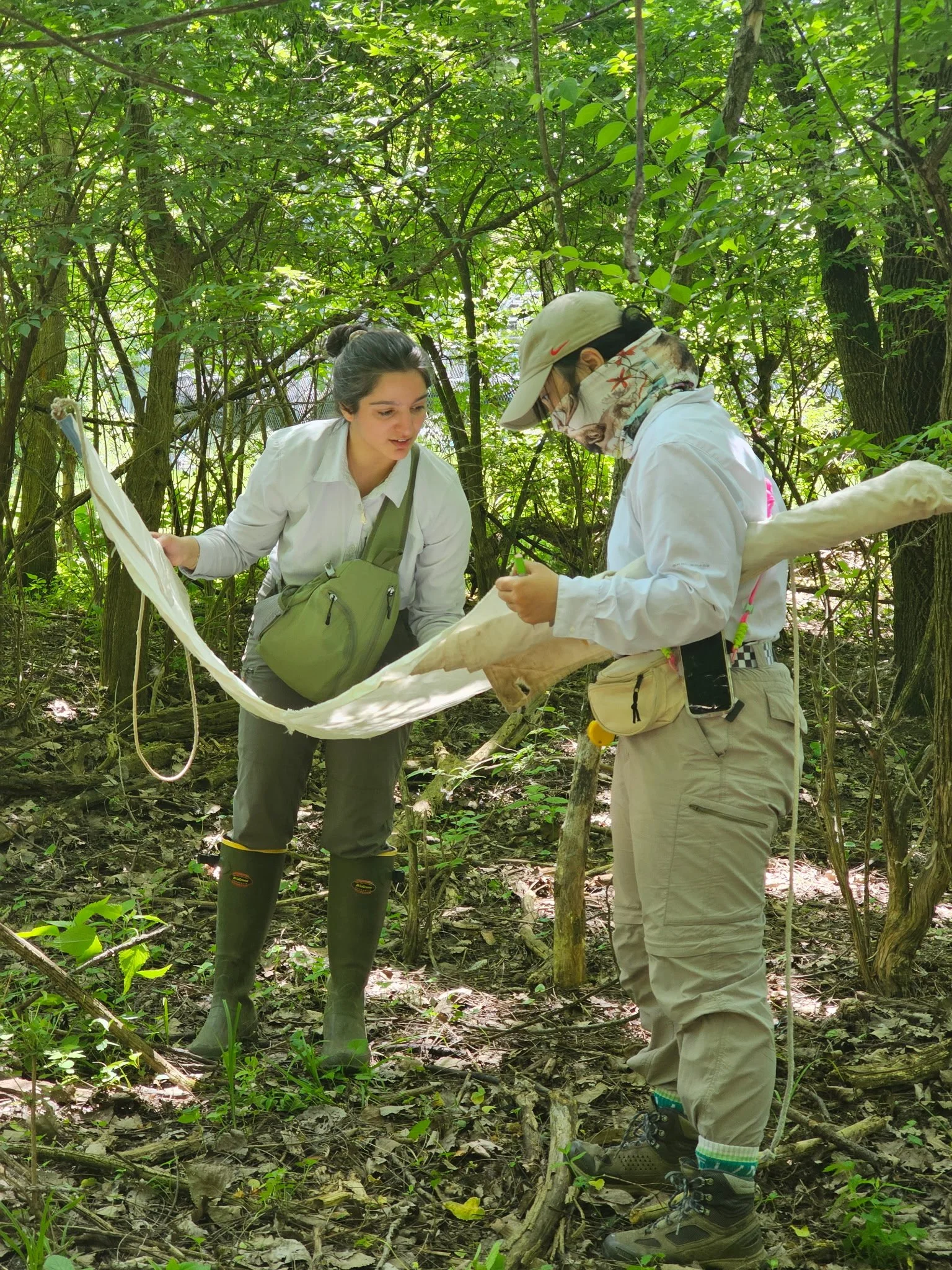
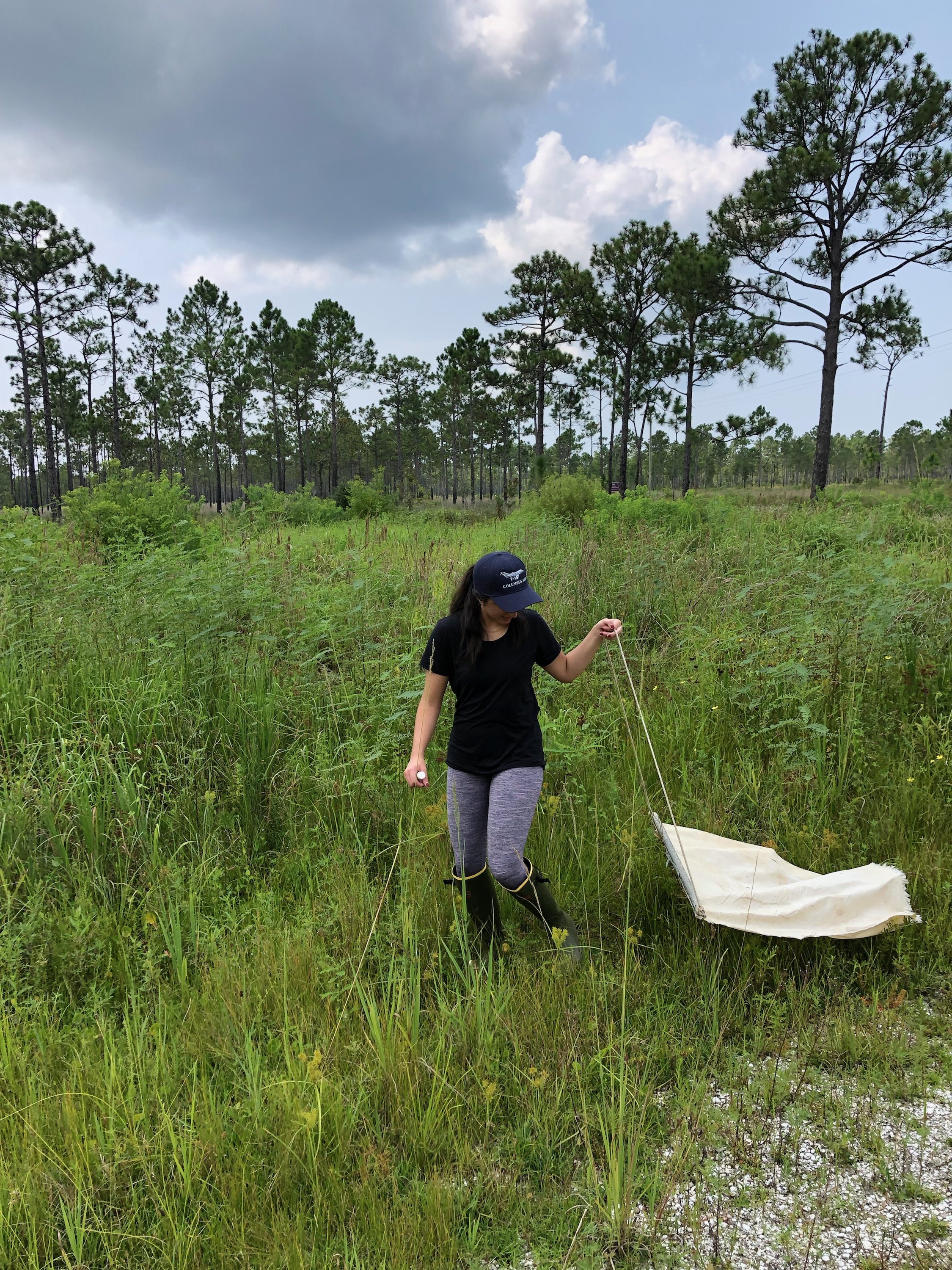
I guess I’m a doctor now! I’m about to graduate, and I did my dissertation work in the Entomology Department with Sam Ward (co-advised by Risa Pesapane in SENR (School of Environment and Natural Resources)) and I work on ticks and how they are moving across the landscape.
That is a very interesting research area! Could you describe more about your research project?
Ticks pose both a medical and veterinary risk to humans and animals by virtue of being blood feeding pests that bite, but they also pose a risk by being vectors of disease. In fact, ticks contribute to over 75% of all vector-borne disease cases in the US. Increasingly, tick distributions are expanding and shifting, due to a variety of reasons. I wanted to understand the drivers of tick range expansion, as well as possible mechanisms.
That sounds very meaningful and valuable research topic. What motivated you to pursue your research topic?
I have always been passionate about infectious disease and public health and was introduced to vector-borne disease systems in undergrad. There, I worked on the tsetse fly, which is a fly that transmits trypanosomes that cause human and animal African sleeping sickness. I was really taken by the complexity of the system — not only do you have to account for the pathogen and the human, but also for the fly! That kickstarted my love for this intersection of disciplines I work in, public health + entomology + infectious disease + ecology.
I can really see your passion for your research area, insects, and public health. Have you been involved in any outreach, collaborations, or extension work during your project? If so, we’d love to hear more about it!
One of my dissertation projects required the assembling of a network of collaborators! I wanted to understand population genetics and gene flow of the Gulf Coast tick, whose distribution now spans much of the eastern and central US. Through this, I have been able to work with an awesome team of 20+ academics and local/state agency folks across the eastern and central US, and without their help, I would not have been able to do this chapter. I also did a project with a few friends while I was here looking at underwater survival of blacklegged ticks in the OSU wetlands. This was a lot of fun, as we wrote a grant, set up the experiment, analyzed the data, wrote and submitted the paper, from start to finish as a group of friends. I learned a lot through that experience about myself and who I am as a collaborator. I have submitted a couple of factsheets, updating information about Gulf Coast tick at both the international level (via a Trends in Parasitology publication) and regional level (via OhioLINK). Another project I did, looking at tick survival on different types of flooring found in the home, has been getting some press traction recently, so that’s neat to see.
Those are great accomplishments! How do you hope to continue this line of research in the future?
I hope to start my post-doc here at OSU, and ultimately become a faculty member myself. I have been very fortunate to have been mentored by some amazing people, and I want to pay it forward. Hopefully I can help mentor the next generation of scientists too.
Now that you’ve earned your PhD, what does becoming “Dr. Sabet” mean to you personally?
I am so proud to be Dr. Sabet! Like, what?! How did that happen! I’ve been working toward this, in one way or another, for a very very long time. I’m a first-generation American, and the first woman in my family to become “Dr. Sabet”, and I am very proud of both of those things.
What advice would you give to current or incoming graduate students?
Stay grounded in your “why” — if you have a reason driving you to do the work you’re doing, to pursue the degree you’re pursuing, then you can persevere and accomplish whatever it is you hope to accomplish.
Congratulations once again on earning your PhD, and on beginning your new journey as a postdoctoral researcher at OSU! Wishing you all the best in your next chapter!
If you would like to learn more about her research, here’s a news article on her tick research:
https://news.osu.edu/some-ticks-can-survive-from-1-to-3-weeks-on-home-flooring/
Editor: Dahee Ahn